
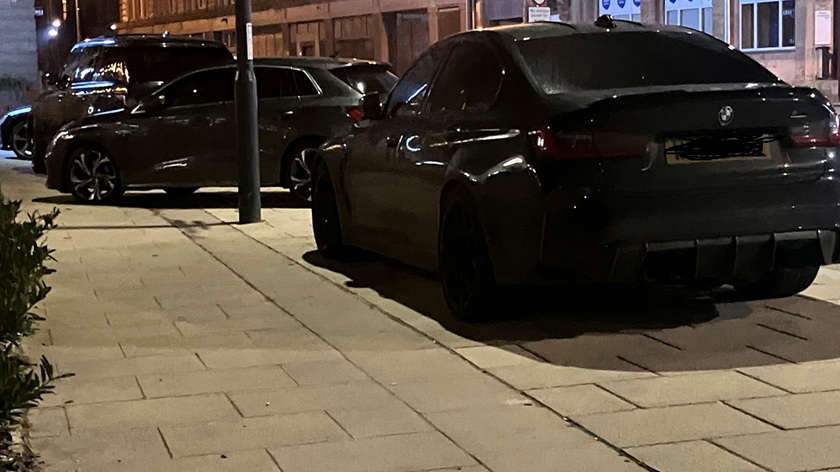
Bradford Council could be given powers to clamp down on pavement parking in the Ilkley area by the end of the year.
Earlier this year the Government published its response to a national review of the pavement parking issue, it was an attempt to tackle an issue that blights many areas of the country.
In parts of Bradford pavement parking is a daily problem for residents, with cars often seen parked directly outside to shops and takeaways.
Although the Highway Code says vehicles should not park on the pavement, it is not illegal, except in London and Scotland.
People can be fined, but only if there is an existing restriction in place, like double yellow lines. Police can also deal with the most serious cases of obstruction.
But Bradford Council has said the recent review could lead to them getting more powers to punish drivers who block pavements as soon as the end of this year.
Council bosses were recently asked about when there would be more details on how the findings of the review could benefit the people of Bradford.
Councillor Alun Griffiths (Lib Dem, Idle and Thackley) asked the question in March, before the local elections. The response, from the former Labour administration, has only recently been published.
It says:
“The government published its response to the Pavement Parking Review on January 8, setting out its conclusions based on 15,000 responses from individuals and organisations including Local Highway Authorities."
The consultation sought views on three possible options to deal with the issue of pavement parking:
- Option 1: Improve the existing traffic regulation order (TRO) process.
- Option 2: Enable local authorities to enforce against ‘unnecessary obstruction’ of the pavement.
- Option 3: Introduce a national prohibition on pavement parking, with local exemptions.
Option 3 received the most support from individual and organisational respondents to the consultation (71 per cent and 54 per cent), while local authority respondents preferred Option 2 (56 per cent), though this was largely due to concerns about costs.
The response from the former Labour administration continues with:
"Delivering a permanent, devolved solution (Option 3) on pavement parking requires primary legislation followed by the development of a regulatory framework governing how devolved solutions on pavement parking are to be implemented.
“Its implementation is therefore dictated by parliamentary processes, but recent discussions with the Department for Transport have indicated that it is unlikely that this legislation would be introduced before 2027.
“For this reason, the Department of Transport is proposing to proceed with Option 2, providing local authorities with the power to enforce against unnecessary obstruction of the pavement.
“This civil enforcement power will be delivered in due course through secondary legislation and will not require additional traffic signage.
“It will allow councils to act against the most egregious examples of obstructive pavement parking in the interim.“Until this secondary legislation is published, which is anticipated to be late 2026, it is not possible to provide any further commentary on what decisions or consultations members may need to be informed of.”
 Yorkshire writers in spotlight at Ilkley Literature Festival
 Annual golf day raises £4,383 for Airedale Hospital
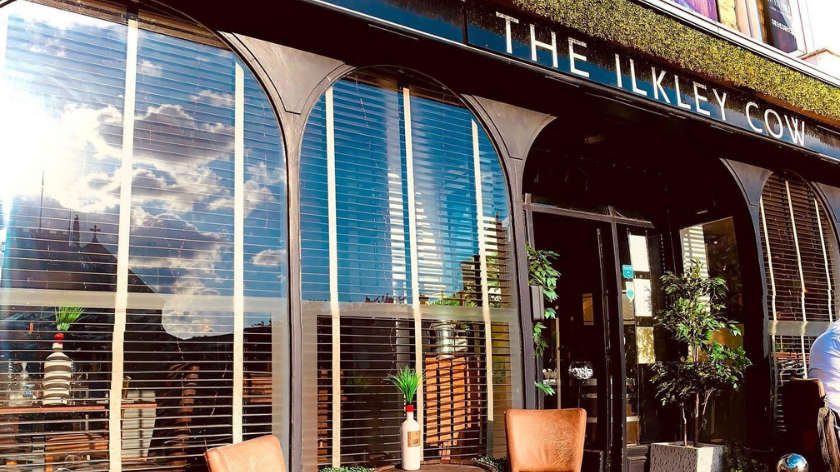 The Ilkley Cow enters search for UK's Favourite Local Business
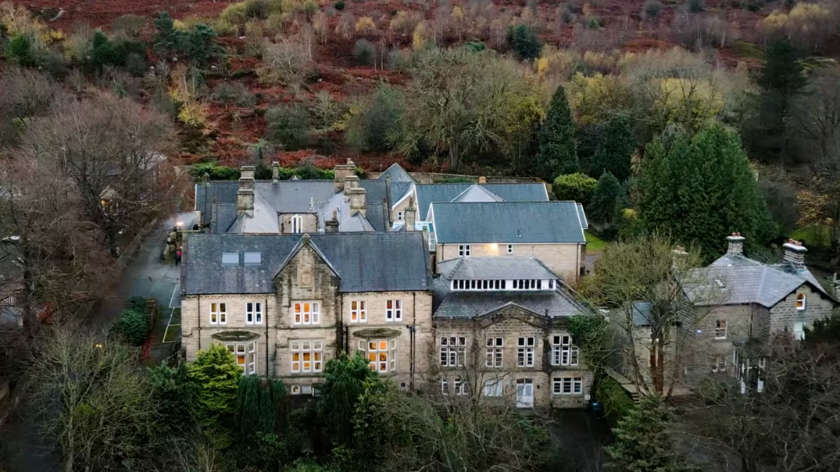 New Ilkley care home announces opening date following 11 month refurbishment
 Ilkley team raises £3,300+ for The Principle Trust in Three Peaks challenge
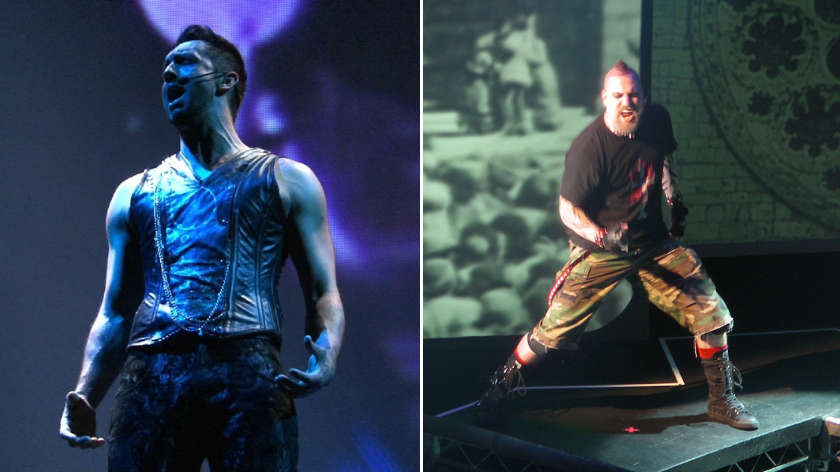 Classic film meets live rock concert at Ilkley's King's Hall
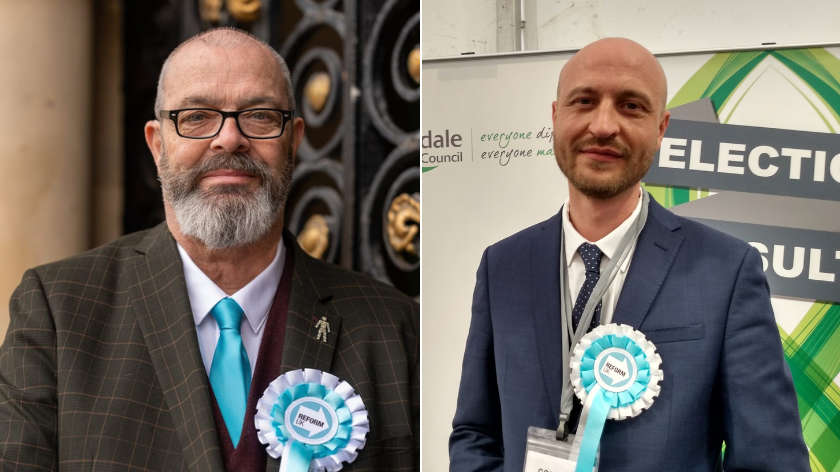 Reform leaders urge Mayor to drop tourist tax plans
 Free dementia awareness event to be held in Ilkley
 Women’s business network celebrates second birthday in Ilkley
 Food waste collections set to be introduced in Ilkley
 Climate Café to offer space to talk about climate concerns in Ilkley
 Ilkley restaurant Forde features on Channel 5's Our Great Yorkshire Life
 Scientific study launched to help restore Ilkley Tarn
 Leeds United legends coming to Ilkley for special fans' night
 Alpamare waterpark to be sold to 'protect its future' with private investment
 Embsay and Bolton Abbey Steam Railway set for Oktoberfest takeover
 Dates announced for Ilkley Christmas Tree Festival 2026
 Mayfield View named winner of Ilkley wheelbarrow competition